
 Altai Turismo
Is Seville the Most Beautiful City in Spain? + Ronda Day Trip
· by Alba Delgado · Altai Turismo
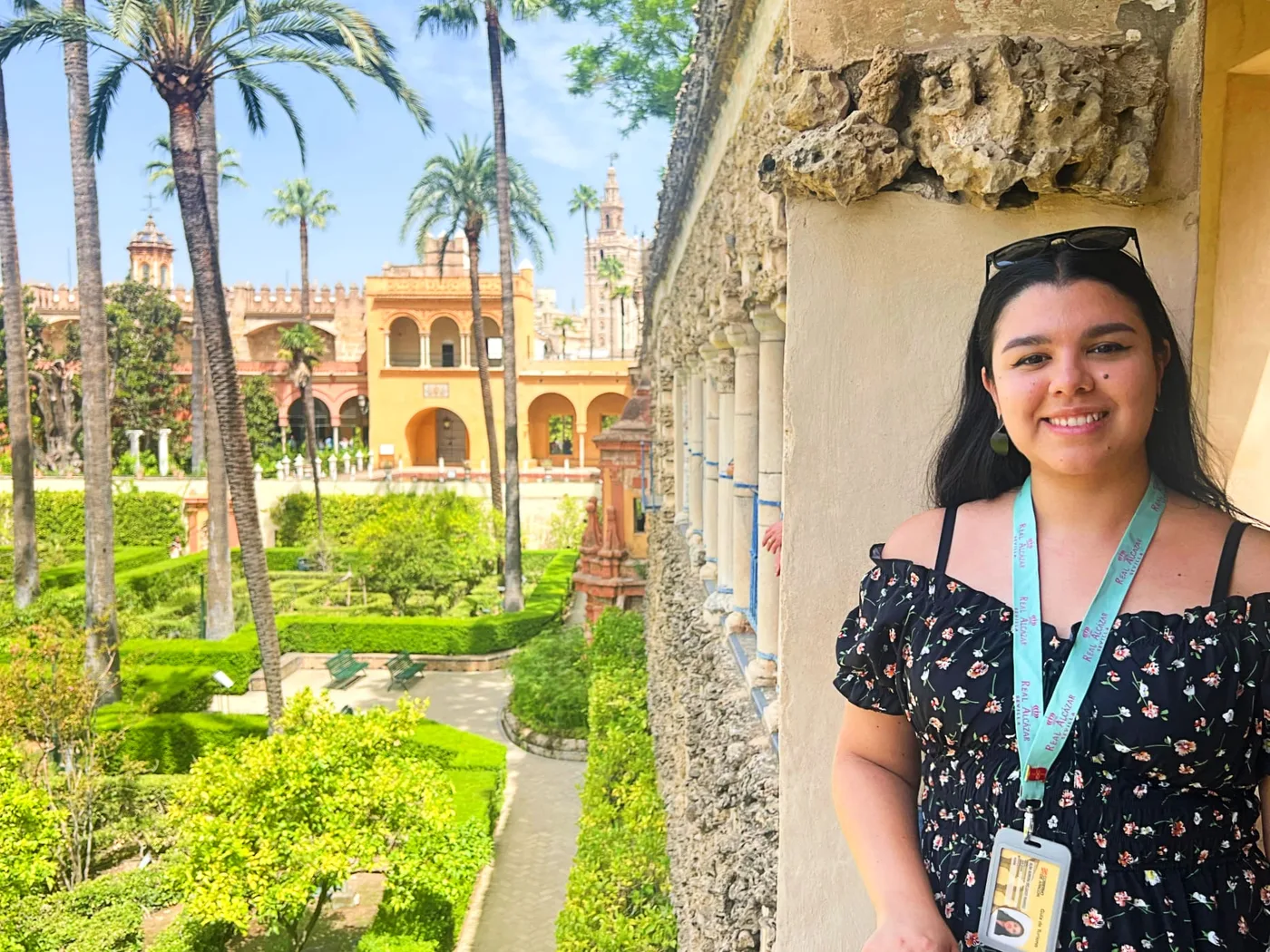
Choosing the most beautiful city in Spain is almost impossible. Spain is home to extraordinary destinations, from the medieval streets of Toledo and the palaces of Granada to Barcelona’s Modernist architecture and the historic center of Córdoba.
But if you ask us, Seville deserves a very serious claim to the title.
The capital of Andalusia brings together monumental architecture, centuries of history, orange-tree-lined streets, colorful ceramics, hidden courtyards, flamenco traditions and a way of life that often becomes as memorable as the monuments themselves.
And if you have a few extra days in the city, Seville also makes an excellent base for exploring Andalusia. One of the most popular options is a Seville to Ronda day trip, combining your stay in the Andalusian capital with one of southern Spain’s most spectacular towns.
Why Seville Could Be the Most Beautiful City in Spain
What makes a city beautiful?
For some travelers, it is architecture. For others, it is atmosphere, history, gardens or simply the feeling they get while walking through its streets.
Seville has a little of everything.
Its historic center contains monuments from remarkably different periods. Roman remains survive beneath the modern city, while Islamic Seville left an architectural legacy that continued to influence the city long after the Christian conquest of 1248.
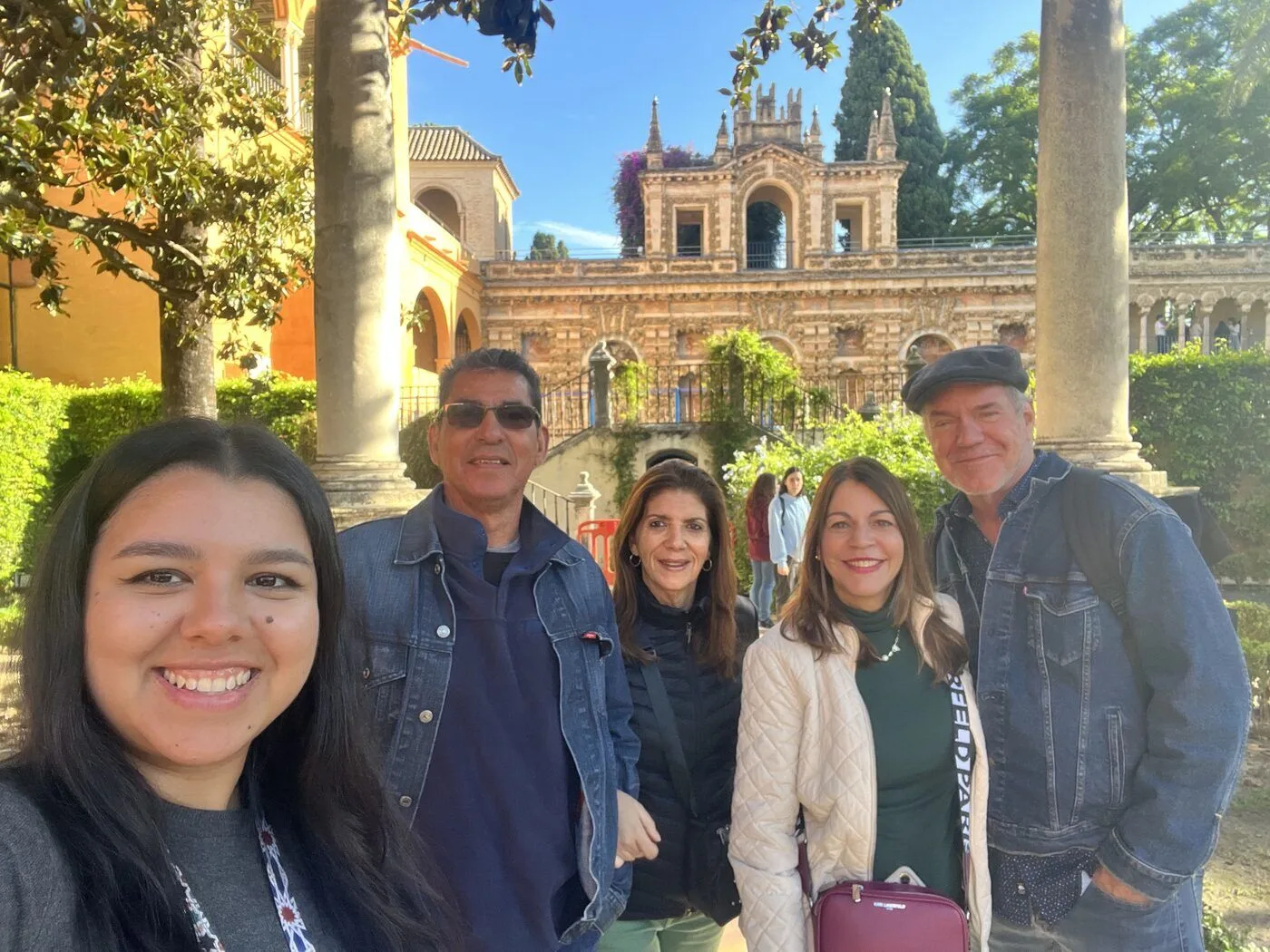
The Royal Alcázar of Seville is perhaps the greatest example. Islamic, Gothic, Renaissance and Neoclassical traditions coexist within the same palace complex.
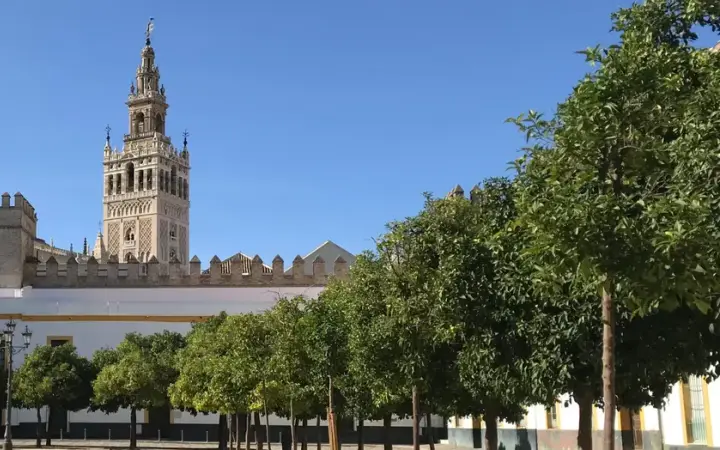
Just a few steps away stands Seville Cathedral, constructed largely on the site of the former Almohad mosque. Its famous bell tower, the Giralda, incorporates the minaret of that earlier mosque.
This layering of civilizations is one of the reasons Seville feels different from many other European cities: its history isn’t confined to museums. You can read it in the architecture around you.
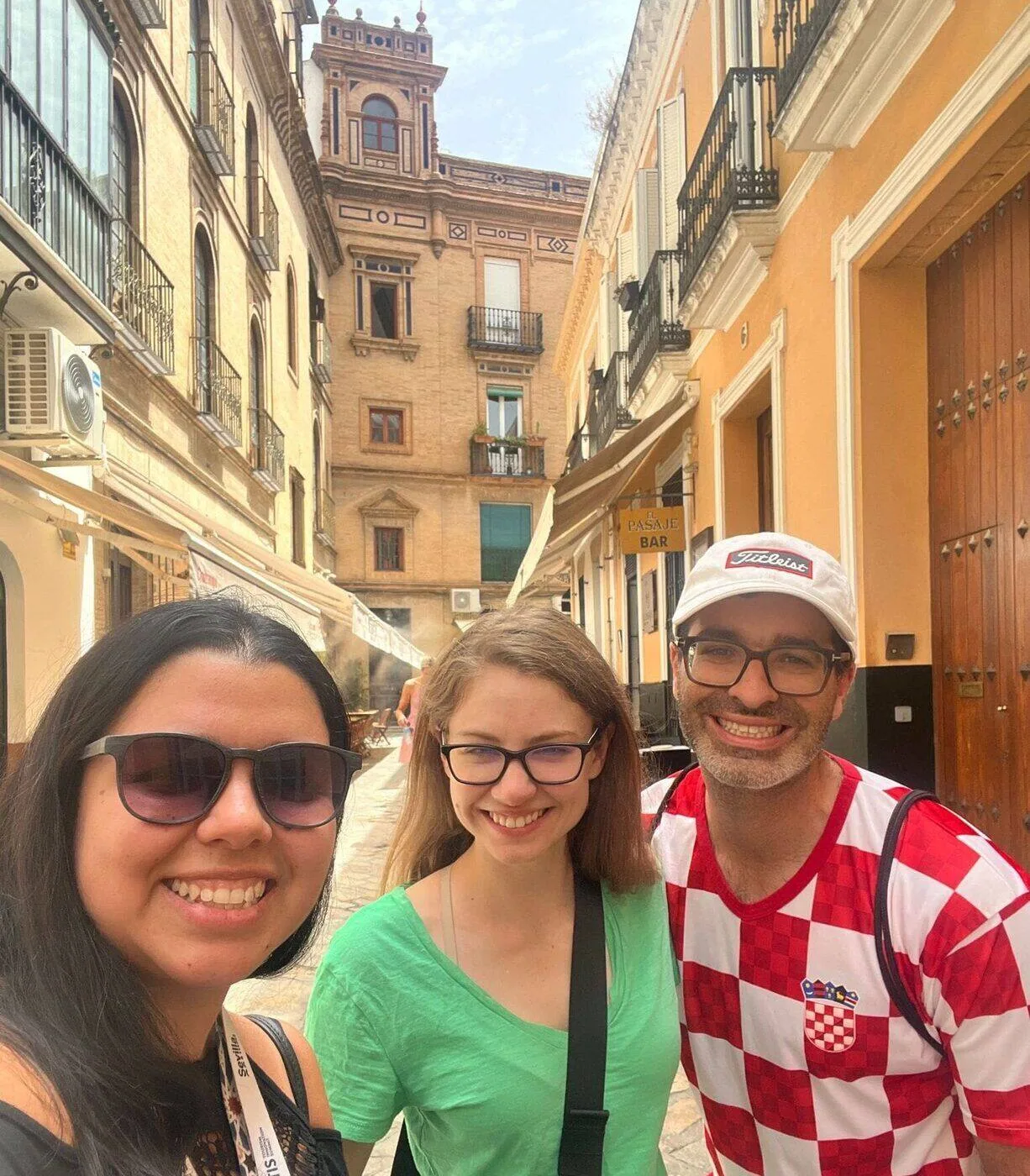
Santa Cruz: The Seville People Imagine Before They Arrive
If you’ve seen photographs of narrow streets, balconies, flower-filled patios and small squares shaded by orange trees, there’s a good chance you’ve already encountered images of Santa Cruz.
Today, it is one of the most visited neighborhoods in Seville.
Its appearance, however, is more complicated than it might initially seem. Although the area formed part of Seville’s medieval Jewish quarter, much of the romantic urban landscape visitors encounter today was transformed considerably during the 19th and early 20th centuries.
That combination of genuine historical layers and later reinvention is part of what makes Santa Cruz so fascinating.
Rather than simply walking through its picturesque streets, understanding how the neighborhood developed can completely change the way you experience it.
Plaza de España: A Different Kind of Seville
Then there is Plaza de España.
Built for the Ibero-American Exposition of 1929, it represents a completely different period in the city’s history. Its monumental architecture, bridges, canal and extensive ceramic decoration have made it one of Seville’s most recognizable landmarks.
The ceramic panels representing the Spanish provinces are particularly interesting. They aren’t simply decoration: many depict historical events associated with different parts of Spain, effectively transforming the plaza into an enormous visual history book.
Nearby, María Luisa Park provides another reason to slow down rather than rush between monuments.

Beauty Is Also in Seville’s Smaller Details
The argument for Seville as the most beautiful city in Spain isn’t based only on its famous landmarks.
Sometimes its greatest charm appears between them.
Look closely and you’ll find traditional ceramic signs, interior patios glimpsed through open doors, fountains hidden inside small squares and orange trees lining streets that have existed in some form for centuries.
There are also archaeological remains, former palaces, churches built over earlier religious spaces and traces of communities whose presence isn’t immediately obvious today.
This is particularly true of Seville’s Jewish and Sephardic history. Very little survives in a form that a visitor can immediately identify as medieval Jewish heritage, which makes historical interpretation especially important when exploring the former Jewish quarter.
Seville Is Beautiful After Sunset, Too
One mistake visitors sometimes make is treating Seville purely as a daytime sightseeing destination.
The city changes after sunset.
The illuminated Cathedral and Giralda, the riverfront around the Guadalquivir and the streets of the historic center create an entirely different atmosphere at night.
During summer, evenings are also an essential part of experiencing the city. Seville can become extremely hot during July and August, particularly in the late afternoon. Exploring early in the morning, resting during the hottest hours and returning to the streets in the evening is often a much more comfortable way to experience the city.
It is also why we schedule our walking tours earlier during the hottest months.
How Many Days Should You Spend in Seville?
If Seville is your main destination, we recommend allowing at least three days.
That gives you enough time to see major attractions such as the Alcázar and Cathedral while also exploring neighborhoods and understanding some of the city’s history beyond its monuments.
With four or five days, you can travel at a more relaxed pace—and consider using Seville as your base for exploring other parts of Andalusia.
And that brings us to Ronda.
Seville to Ronda Day Trip: Is It Worth It?
Absolutely—particularly if you have already allowed enough time for Seville itself.
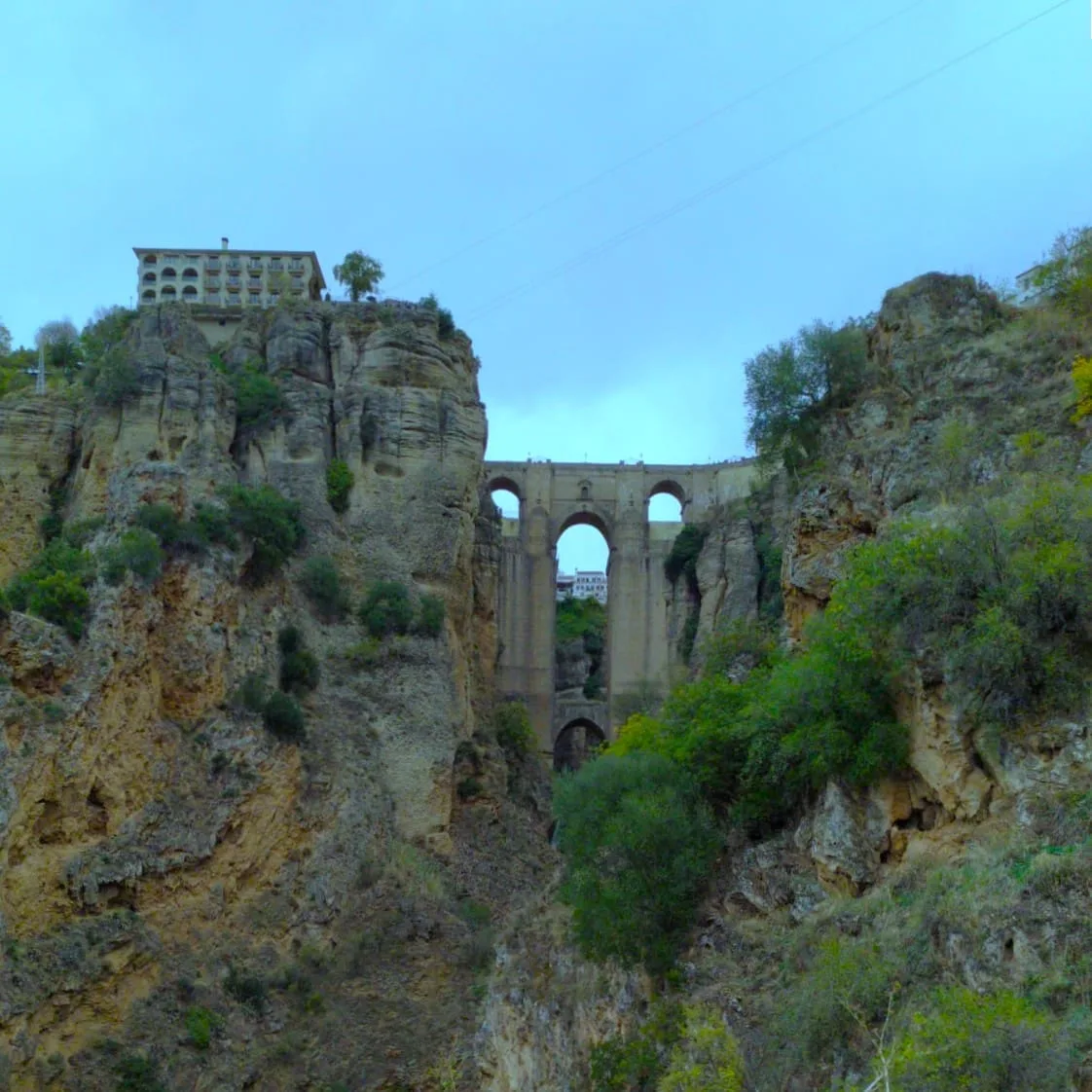
Ronda is dramatically different from Seville. Situated in the mountains of Málaga province, the town is divided by the enormous Tajo de Ronda gorge, crossed by its famous Puente Nuevo.
A Seville to Ronda day trip gives travelers an opportunity to experience another side of Andalusia: mountainous landscapes, whitewashed architecture and a smaller historic town with Roman, Islamic and Christian layers of its own.
The journey generally takes around two hours each way by road, so it is possible to visit Ronda and return to Seville on the same day.
However, don’t try to squeeze Ronda into an already short stay. If you only have two days in Seville, we’d recommend dedicating them to the city itself. If you have four or five days, Ronda becomes a much more attractive addition to your itinerary.
Please note: we don’t currently organize day trips from Seville to Ronda. We specialize in guided cultural experiences in Seville and Córdoba, but we’re happy to recommend Ronda as an independent excursion for travelers with enough time in Andalusia.
Seville or Ronda: Which Is More Beautiful?
They offer completely different experiences.
Ronda’s beauty comes largely from its extraordinary natural setting. Standing beside the gorge and looking toward the surrounding Andalusian countryside is difficult to forget.
Seville offers something different: monumental architecture combined with a living historic city.
You can spend the morning inside a royal palace, walk through streets associated with medieval Jewish history, encounter Renaissance palaces and Baroque churches in the afternoon, and finish your day surrounded by contemporary Sevillian life.
You don’t necessarily need to choose between them.
Stay in Seville and visit Ronda as a day trip, and you can experience two very different expressions of Andalusia.
So, What Is the Most Beautiful City in Spain?
There can never really be an objective answer.
Granada has the Alhambra. Córdoba has the Mosque-Cathedral. Toledo has its extraordinary medieval skyline. Barcelona has Gaudí. San Sebastián combines elegant architecture with a spectacular coastal setting.
But Seville has an unusual ability to combine architecture, history, street life, gardens, music and atmosphere within a historic center that rewards simply walking without a destination.
So is Seville the most beautiful city in Spain?
We’ll let you decide.
But don’t just photograph the monuments. Look at the buildings, notice the details, ask what stood there before, and discover the people who inhabited these streets across different periods.
That’s where Seville becomes much more than a beautiful city.
Discover Seville With Us
At Altai Turismo, our private walking tours are designed to help travelers understand the city rather than simply see its landmarks.
Whether you’re visiting Seville for the first time and want an introduction through our essential private walking tour of Seville, exploring the Royal Alcázar, or looking deeper into the city’s Jewish and Sephardic history, our tours combine the places you see with the historical context behind them.
And once you’ve discovered Seville?
Take that day trip from Seville to Ronda. Andalusia still has plenty more to show you.
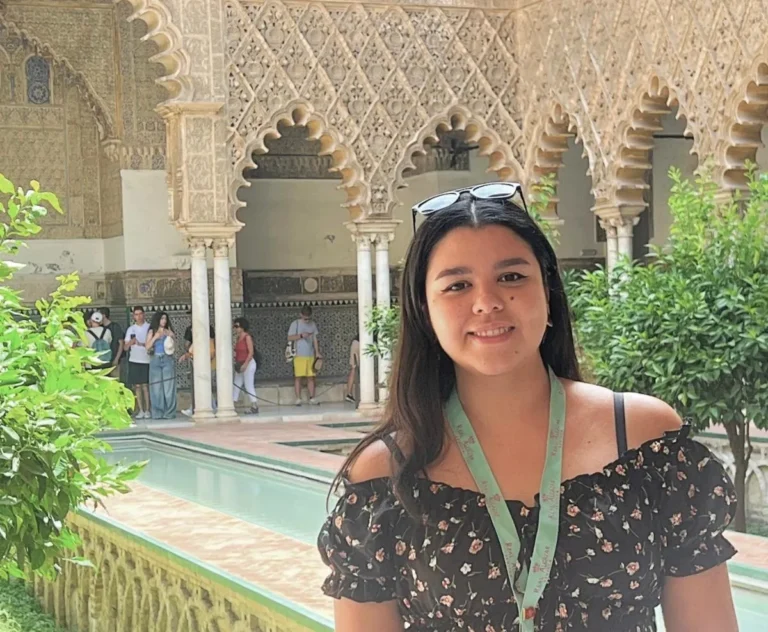
Official licensed guide and founder of Altai Turismo, a registered official guide service (Andalusian Tourism Registry AIAT/SE/00126-6), specialized in the Sephardic Jewish heritage of Seville.
Related posts
See it with a licensed local guide
Altai Turismo runs private, expert-led tours of Seville and Córdoba. Tell us your dates and we'll design a tour around you.
Plan my tour on WhatsApp