
 Altai Turismo
Seville Travel Guide: The New York Times Recommends Seville
18 February 2026 · by Alba Delgado · Altai Turismo
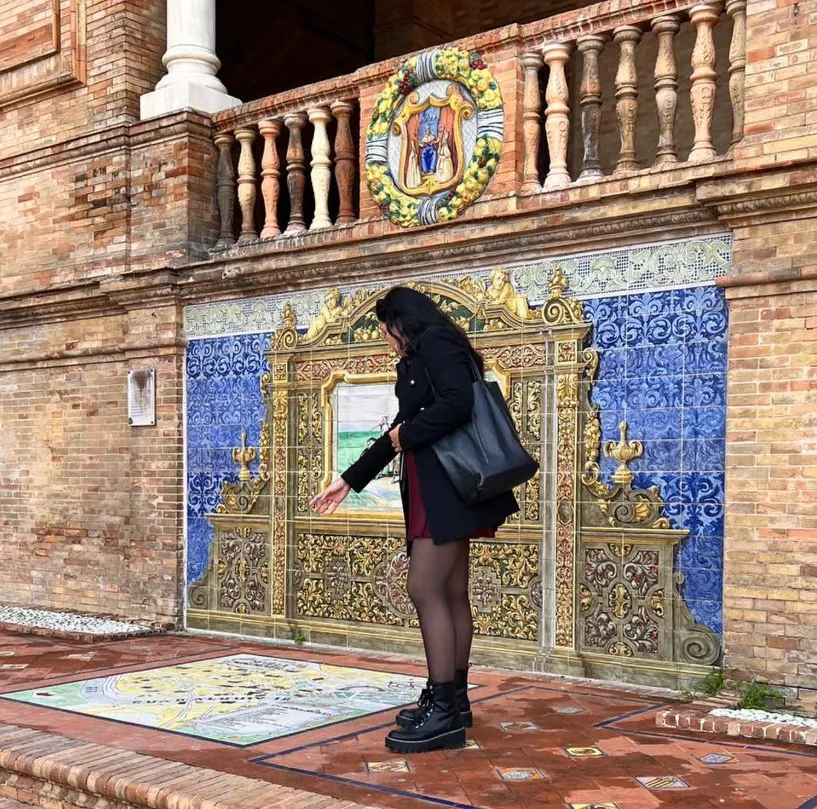
When one of the most influential travel publications in the world dedicates its iconic “36 Hours” column to a city, the message is clear: this destination matters.
Recently, The New York Times turned its spotlight toward Seville, positioning the Andalusian capital as one of Europe’s must-visit cultural cities. For travelers searching online for what to do in Seville, best places to visit in Seville, or Seville 2-day itinerary, this international recognition confirms what locals have known for centuries.
Let’s explore why Seville is dominating global travel headlines, and why now is the perfect time to plan your trip.
Why Seville Is Trending Internationally
Seville has long been a jewel of southern Spain, but international media attention is amplifying its appeal among American and European travelers.
The New York Times highlights several elements that make the city irresistible:
- A walkable historic center filled with UNESCO heritage sites
- Vibrant tapas culture
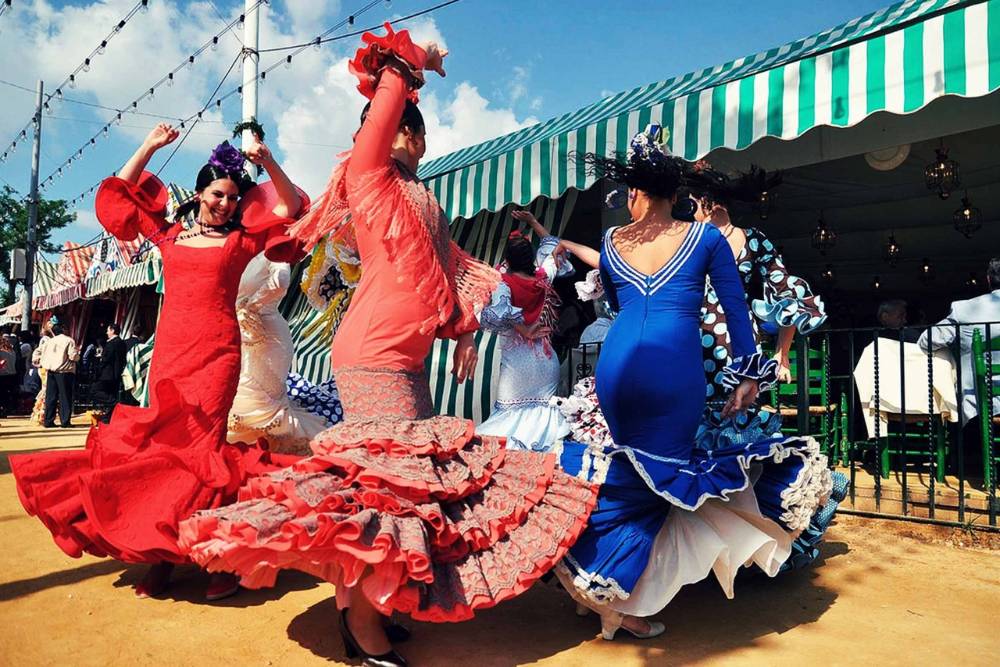
- Flamenco as living tradition
- Orange-tree-lined plazas and sunlit patios
Unlike overcrowded Mediterranean capitals, Seville offers authentic Andalusian culture without losing its soul.
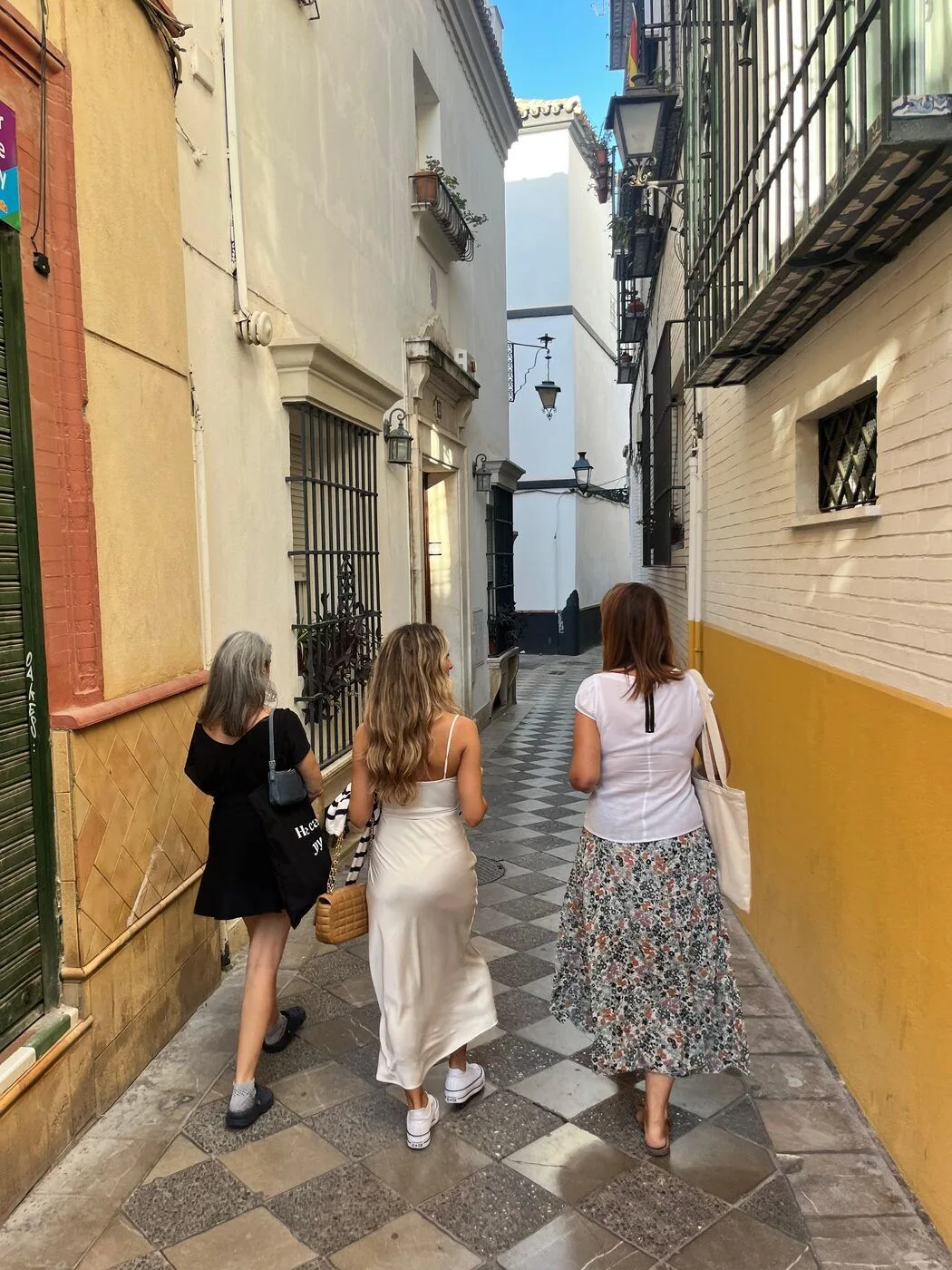
The Essential Seville Landmarks You Can’t Miss
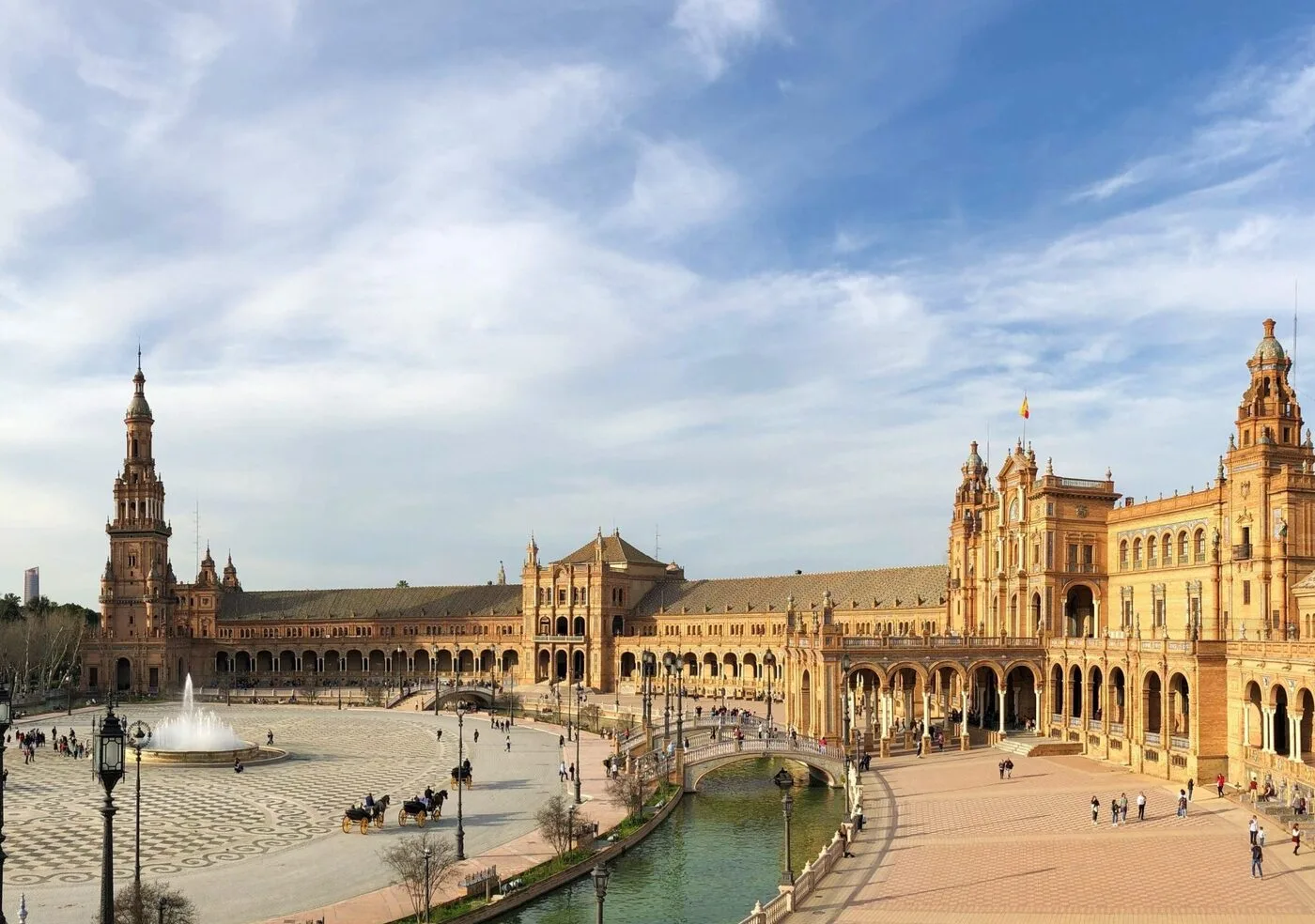
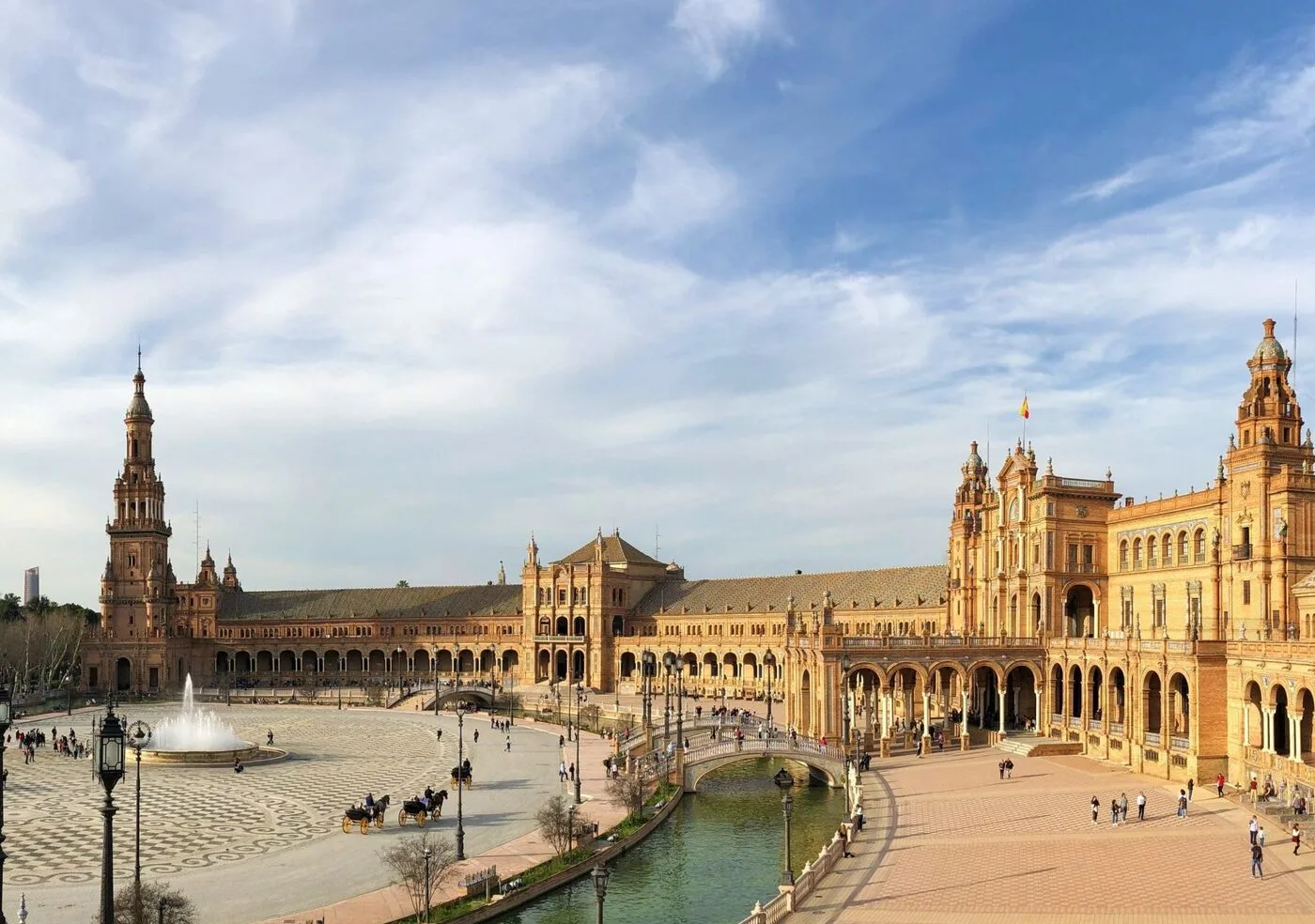
1. Plaza de España
Built for the 1929 Ibero-American Exposition, this semi-circular masterpiece blends Renaissance Revival and Moorish influences. It’s one of the most photographed spots in Spain.
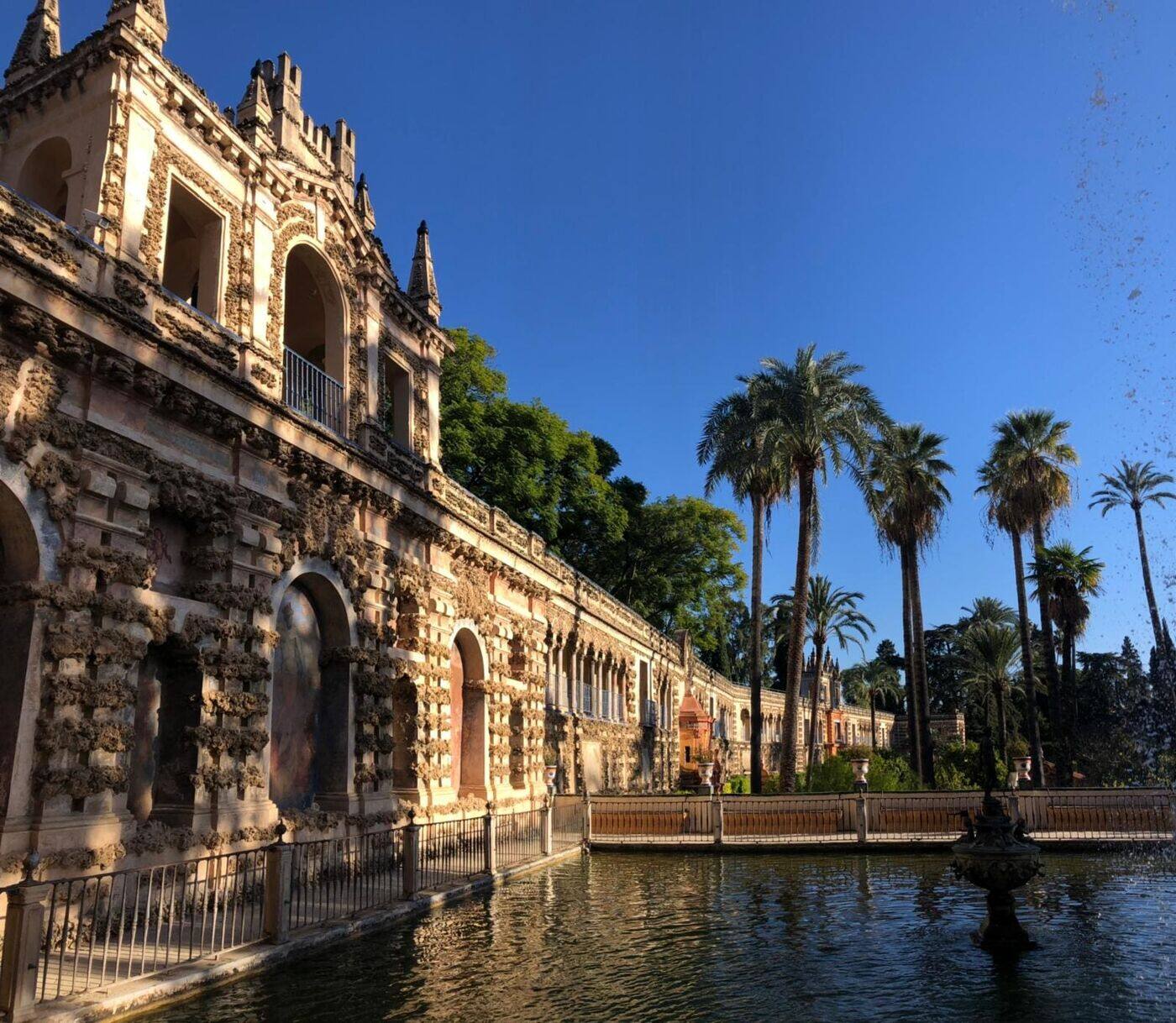
2. Royal Alcázar
A royal palace still in use today, the Alcázar layers Islamic, Gothic, Renaissance and Neoclassical styles under one roof. Intricate tilework, tranquil gardens, and layered history make it unforgettable.
3. Seville Cathedral & La Giralda
The largest Gothic cathedral in the world and home to Christopher Columbus’ tomb. Climb the Giralda tower for panoramic views over terracotta rooftops.
4. Las Setas (Metropol Parasol)
Modern architecture meets ancient Roman ruins. At sunset, the panoramic walkway offers one of the best views in the city.

The Seville Experience: More Than Monuments
Seville isn’t just about sightseeing, it’s about atmosphere.
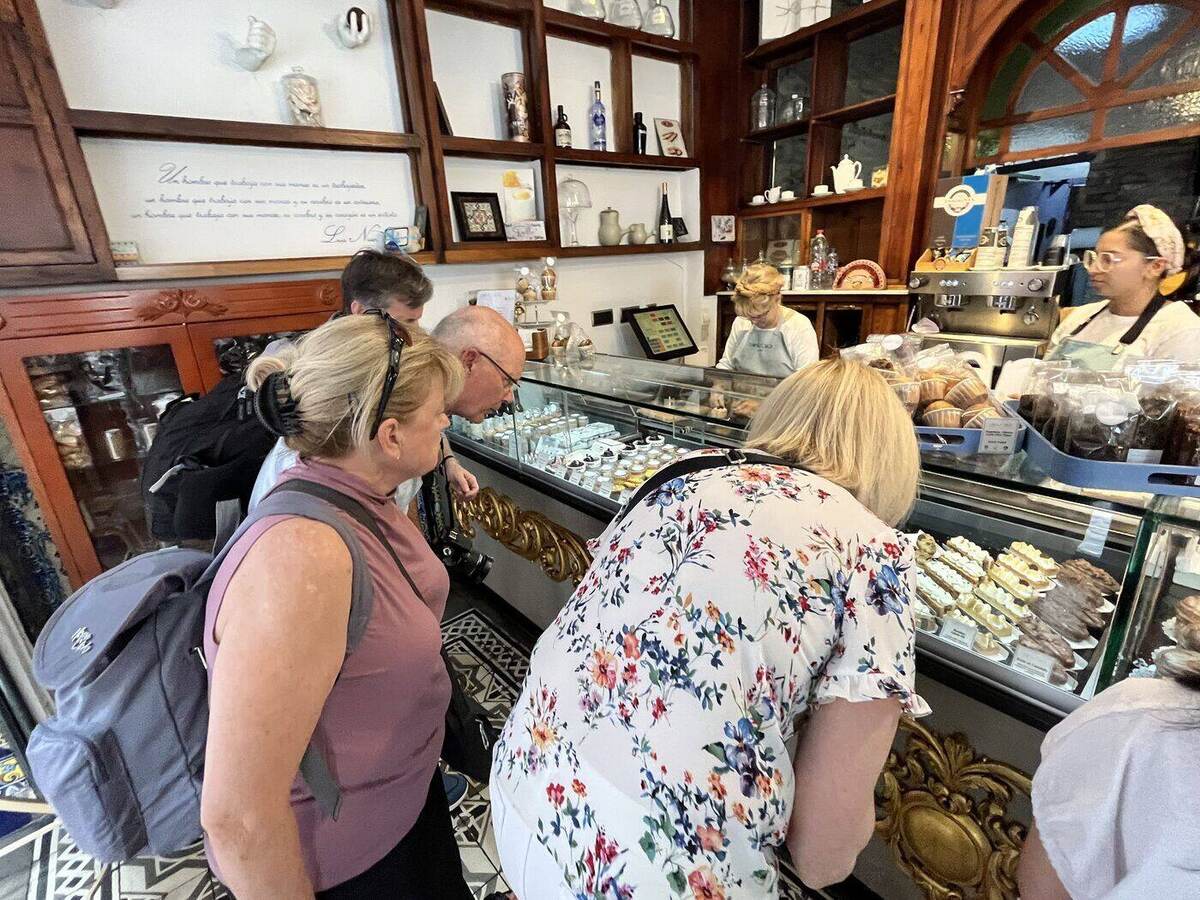
Tapas Culture
Order a glass of local wine and enjoy small plates like jamón ibérico, salmorejo, and espinacas con garbanzos. Food here is social, slow, and deeply rooted in tradition.
Flamenco in Its Birthplace
Forget tourist clichés. In intimate tablaos and neighborhood peñas, flamenco remains raw, emotional, and powerful.
The Guadalquivir River
Stroll along the riverbanks at sunset. The golden light reflecting off historic facades creates a uniquely Andalusian scene.
Slow Travel Lifestyle
Seville invites you to slow down, morning coffee in a plaza, afternoon shade under orange trees, late-night dinners. It’s a rhythm travelers quickly fall in love with.
A Perfect 36 Hours in Seville (Suggested Itinerary)
Inspired by the international attention, here’s a condensed but immersive plan:
Day 1
- Morning: Alcázar and Cathedral
- Lunch: Traditional tapas in Santa Cruz
- Afternoon: Plaza de España and María Luisa Park
- Evening: Flamenco show in Triana
Day 2
- Morning: Local market visit
- Midday: River walk and Torre del Oro
- Afternoon: Contemporary art & Las Setas viewpoint
- Night: Rooftop cocktails with cathedral views
Why American Travelers Are Choosing Seville
Search trends show increasing interest from U.S. visitors looking for:
- “Best cities in Spain for culture”
- “Seville vs Barcelona travel”
- “Is Seville worth visiting?”
- “Hidden gems in Spain”
Seville delivers on all fronts:
✔️ History
✔️ Architecture
✔️ Gastronomy
✔️ Authenticity
✔️ Walkability
✔️ Year-round sunshine
It’s cosmopolitan without being chaotic. Historic without feeling frozen in time.

When Is the Best Time to Visit Seville?
- Spring (March–May): Ideal weather, orange blossoms, festivals like Semana Santa and Feria de Abril.
- Autumn (September–November): Warm days, fewer crowds.
- Winter: Mild temperatures compared to northern Europe.
- Summer: Very hot (up to 45ºC in the shade), but quieter and more affordable.
Final Thoughts: Seville’s Moment on the World Stage
When a global media giant dedicates space to a city, it often signals a shift in travel patterns. Seville is no longer just a stop on a Spain itinerary, it is the destination.
If you’re researching your next European getaway, looking for culture, history, gastronomy, and authenticity, Seville deserves to be at the top of your list.
The world is talking about it. Now it’s your turn to experience it.
Keep exploring
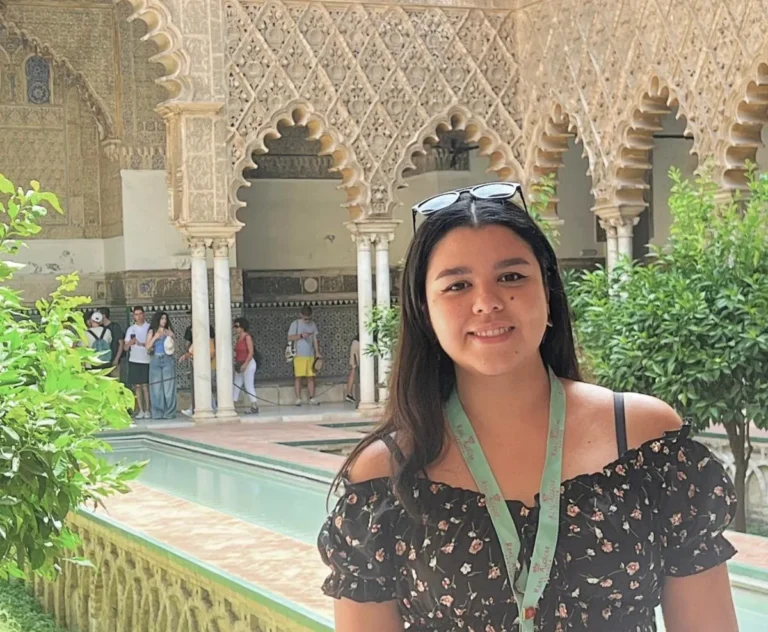
Official licensed guide and founder of Altai Turismo, a registered official guide service (Andalusian Tourism Registry AIAT/SE/00126-6), specialized in the Sephardic Jewish heritage of Seville.
Related posts
See it with a licensed local guide
Altai Turismo runs private, expert-led tours of Seville and Córdoba. Tell us your dates and we'll design a tour around you.
Plan my tour on WhatsApp